


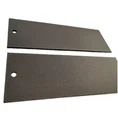
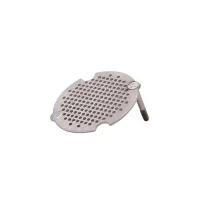


Hey there! As a supplier of Titanium Anodes for Chrome Plating, I've seen my fair share of dirty and worn - out anodes. Cleaning a titanium anode for chrome plating is crucial to maintain its performance and extend its lifespan. In this blog, I'll walk you through the steps on how to clean a titanium anode for chrome plating.
Why Cleaning is Important
Before we dive into the cleaning process, let's talk about why it's so important. Over time, titanium anodes used in chrome plating can accumulate various types of deposits. These deposits can be anything from chrome particles, other metal ions in the plating bath, and even some organic contaminants. When these deposits build up on the anode surface, they can cause a bunch of problems.
First, the deposits can increase the electrical resistance of the anode. This means that more energy is required to achieve the same plating results, which leads to higher electricity bills. Second, uneven deposits can cause non - uniform current distribution during the plating process, resulting in poor - quality chrome plating on the workpiece. So, regular cleaning is a must to keep your plating process running smoothly.
Pre - cleaning Inspection
Before you start cleaning the anode, it's a good idea to give it a thorough inspection. Look for any signs of physical damage, such as cracks or breaks. If you find any damaged parts, it might be time to replace the anode instead of just cleaning it. Also, check the coating on the anode. For example, if you're using an Iridium - Tantalum Coated Titanium Anode, make sure the coating is still intact. Any peeling or flaking of the coating can affect the anode's performance.
Cleaning Steps
Step 1: Remove the Anode from the Plating Bath
This might seem obvious, but it's an important first step. Make sure to turn off the power supply to the plating bath before removing the anode. Use appropriate tools, like insulated tongs, to safely take out the anode.
Step 2: Rinse with Water
Once you've removed the anode, rinse it thoroughly with clean water. This will help to remove any loose particles and some of the lighter contaminants on the surface. You can use a gentle stream of water from a hose or a faucet. Make sure to rinse all sides of the anode, including the edges.
Step 3: Soak in a Cleaning Solution
After rinsing, it's time to soak the anode in a cleaning solution. There are different types of cleaning solutions you can use, depending on the nature of the deposits.
For organic contaminants, a mild alkaline solution can work well. You can make a solution by mixing a small amount of sodium hydroxide or potassium hydroxide in water. The concentration should be around 1 - 5% by weight. Soak the anode in this solution for about 30 minutes to a few hours, depending on how dirty it is.
If there are heavy metal deposits, an acidic solution might be more effective. A solution of hydrochloric acid or sulfuric acid can be used, but be extremely careful when handling these acids as they are corrosive. The acid concentration should be kept low, usually around 5 - 10%. Soak the anode in the acidic solution for a shorter period, say 15 - 30 minutes, to avoid damaging the anode or its coating.
Step 4: Brush the Anode
After soaking, take the anode out of the cleaning solution and use a soft - bristled brush to gently scrub the surface. This will help to remove any remaining stubborn deposits. Be careful not to scrub too hard, especially if the anode has a thin coating. For example, Platinum Coated Titanium Anodes have a relatively thin platinum layer, and excessive scrubbing can damage it.
Step 5: Rinse Again
Once you've finished brushing, rinse the anode thoroughly with clean water again. This is to remove any traces of the cleaning solution from the anode surface. Make sure to rinse it for a sufficient amount of time to ensure all the chemicals are washed away.
Step 6: Dry the Anode
After rinsing, dry the anode completely. You can use a clean, dry cloth to wipe off the excess water, and then let it air - dry in a clean environment. Avoid using heat sources to dry the anode, as this can cause thermal stress and potentially damage the anode or its coating.


Post - cleaning Checks
After cleaning and drying the anode, it's important to do another inspection. Check if all the deposits have been removed and if the anode looks clean and in good condition. You can also measure the electrical resistance of the anode to make sure it's within the normal range. If the resistance is still high, it might mean that there are still some deposits left, and you may need to repeat the cleaning process.
Frequency of Cleaning
The frequency of cleaning depends on several factors, such as the plating process conditions, the quality of the plating bath, and the amount of plating work. In general, it's a good idea to clean the anode every few weeks or after a certain number of plating cycles. You can also monitor the plating quality and the electrical parameters of the plating process. If you notice a decrease in plating quality or an increase in power consumption, it might be a sign that the anode needs cleaning.
Different Types of Anodes and Cleaning Considerations
As a supplier, I offer different types of titanium anodes for chrome plating, and each type may require slightly different cleaning approaches.
For Mesh Platinum - Coated Titanium Anode, the mesh structure can trap more contaminants compared to solid anodes. When cleaning, pay special attention to the mesh holes. You may need to use a smaller brush or a jet of water to clean the inside of the holes effectively.
Iridium - Tantalum coated anodes are known for their high durability and good performance in chrome plating. However, the coating can be sensitive to certain chemicals. When choosing a cleaning solution, make sure it's compatible with the iridium - tantalum coating to avoid any damage.
Conclusion
Cleaning a titanium anode for chrome plating is an important part of maintaining a high - quality plating process. By following the steps I've outlined above, you can keep your anodes in good condition, reduce energy consumption, and improve the quality of your chrome plating.
If you're in the market for high - quality Titanium Anodes for Chrome Plating or have any questions about anode cleaning, feel free to reach out. We're here to help you with all your plating needs. Whether you need advice on the right type of anode for your process or tips on how to clean and maintain them, don't hesitate to contact us for further discussion and potential procurement.
References
- "Handbook of Electroplating Engineering"
- "Principles of Metal Surface Treatment and Finishing"