


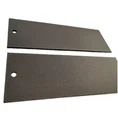
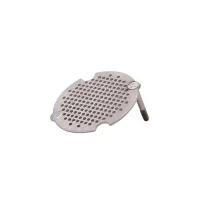


In the field of electroplating, the choice of anode is crucial as it significantly impacts the quality, efficiency, and cost - effectiveness of the electroplating process. Two popular options in the market are titanium anodes for electroplating and platinum - coated anodes. As a supplier of titanium anodes for electroplating, I am well - versed in the characteristics of both types of anodes and will conduct a comprehensive comparison in this blog.
Physical and Chemical Properties
Titanium Anodes for Electroplating
Titanium is a lightweight yet strong metal with excellent corrosion resistance. When used as an anode in electroplating, titanium anodes can be coated with various catalytic materials to enhance their performance. For example, our High Stability Electroplating Titanium Anode is designed with a special coating that provides high stability during the electroplating process. Titanium itself has a relatively low density compared to many other metals, which can reduce the overall weight of the electroplating equipment. Moreover, titanium has a high melting point, allowing it to withstand high - temperature environments that may occur during electroplating operations.
Platinum - Coated Anodes
Platinum is a noble metal known for its high chemical inertness. Platinum - coated anodes, such as Platinum Coated Titanium Anodes, are made by depositing a thin layer of platinum onto a substrate, usually titanium. This combination takes advantage of titanium's mechanical properties and platinum's excellent electrochemical performance. Platinum has a very high standard reduction potential, which means it is less likely to be oxidized during the electroplating process. The smooth surface of platinum also helps in achieving a more uniform electroplating layer.
Electrochemical Performance
Titanium Anodes for Electroplating
The electrochemical performance of titanium anodes depends largely on the coating material. Different coatings can be tailored to specific electroplating requirements. For instance, some coatings can lower the overpotential of the anode reaction, which reduces the energy consumption during electroplating. Our titanium anodes can be adjusted to work well in different electroplating solutions, including acidic, alkaline, and neutral environments. They can also provide a stable current density distribution, which is essential for obtaining a high - quality electroplated layer.
Platinum - Coated Anodes
Platinum - coated anodes have excellent electrochemical stability. They can maintain a constant potential during the electroplating process, which is beneficial for achieving a uniform and high - quality electroplated coating. The high conductivity of platinum allows for efficient electron transfer, resulting in a faster electroplating rate. However, the performance of platinum - coated anodes may be affected by the thickness and quality of the platinum coating. If the coating is too thin or has defects, it may lead to premature failure of the anode.
Cost - Effectiveness
Titanium Anodes for Electroplating
One of the main advantages of titanium anodes for electroplating is their cost - effectiveness. Titanium is more abundant and less expensive than platinum. The production cost of titanium anodes is relatively low, especially when considering the long - term use. Although the initial investment in high - quality titanium anodes may be significant, their long service life and low maintenance requirements can result in substantial cost savings over time. Additionally, the ability to reuse titanium anodes after recoating further reduces the overall cost.


Platinum - Coated Anodes
Platinum is a precious metal, and the cost of platinum - coated anodes is relatively high. The price of platinum is subject to market fluctuations, which can add uncertainty to the cost of electroplating operations. Moreover, the platinum coating may wear off over time, and recoating or replacing the anode can be expensive. However, in some high - end electroplating applications where the quality and precision of the electroplated layer are of utmost importance, the high cost of platinum - coated anodes may be justified.
Durability and Maintenance
Titanium Anodes for Electroplating
Titanium anodes are highly durable. The corrosion - resistant nature of titanium protects the anode from the aggressive electroplating solutions. With proper maintenance, such as regular cleaning and inspection, titanium anodes can have a long service life. If the coating on the titanium anode shows signs of wear, it can be easily recoated, which restores its performance. Our High Stability Electroplating Titanium Anode is designed to minimize the need for frequent maintenance, ensuring continuous and reliable operation.
Platinum - Coated Anodes
Platinum - coated anodes also have good durability due to the chemical inertness of platinum. However, the platinum coating can be damaged by mechanical abrasion or chemical attack in some harsh environments. If the coating is damaged, it may expose the underlying substrate to corrosion, which can lead to anode failure. Maintenance of platinum - coated anodes often involves careful inspection to detect any signs of coating damage and timely recoating if necessary.
Application Suitability
Titanium Anodes for Electroplating
Titanium anodes are suitable for a wide range of electroplating applications. They are commonly used in industrial electroplating processes, such as the electroplating of metals like nickel, copper, and zinc. Their ability to work in different chemical environments makes them a versatile choice for various electroplating operations. For example, in the electroplating of large - scale components, titanium anodes can be easily fabricated into different shapes and sizes to meet the specific requirements of the electroplating tank.
Platinum - Coated Anodes
Platinum - coated anodes are often used in high - precision electroplating applications, such as the electroplating of electronic components and jewelry. The high - quality and uniform electroplated layer achieved with platinum - coated anodes is crucial in these applications. For instance, Mesh Platinum - Coated Titanium Anode is suitable for applications where a large surface area and high - precision electroplating are required.
In conclusion, both titanium anodes for electroplating and platinum - coated anodes have their own advantages and disadvantages. Titanium anodes offer cost - effectiveness, versatility, and durability, making them a popular choice for many industrial electroplating applications. Platinum - coated anodes, on the other hand, provide high - quality and precise electroplating results, which are essential for high - end applications. As a supplier of titanium anodes for electroplating, we can offer customized solutions to meet your specific electroplating needs. If you are interested in learning more about our products or would like to discuss your electroplating requirements, please feel free to contact us for procurement and further discussions.
References
- Low, K. H., & Tan, K. L. (2005). Anode materials for electroplating. Journal of Applied Electrochemistry, 35(4), 349 - 360.
- Revie, R. W. (Ed.). (2008). Modern electroplating. John Wiley & Sons.
- Trasatti, S. (1980). Electrodes of conducting oxides. Part I. Physical properties and electrochemistry of ruthenium dioxide. Electrochimica Acta, 25(7), 733 - 745.