





How does a titanium anode for cathodic protection perform in fresh water?
Cathodic protection is a widely used technique to prevent the corrosion of metal structures submerged in water, such as pipelines, storage tanks, and offshore platforms. Among the various types of anodes available for cathodic protection, titanium anodes have gained significant popularity due to their excellent performance, especially in fresh - water environments. As a leading supplier of titanium anodes for cathodic protection, I am well - versed in the properties and performance of these anodes in fresh water.
1. Properties of Titanium Anodes
Titanium is a highly corrosion - resistant metal. When used as an anode in cathodic protection systems, it forms a stable passive oxide film on its surface. This film acts as a barrier, protecting the titanium from further corrosion and ensuring a long service life. In fresh water, where the chloride ion concentration is relatively low compared to seawater, titanium anodes can maintain their integrity for an extended period.


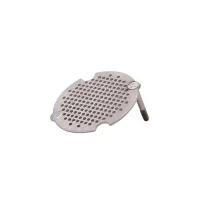
There are different types of titanium anodes available for cathodic protection, including MMO Tubular Titanium Anode, Platinum - Coated Titanium Anode, and Lead Dioxide Titanium Anode. Each type has its own unique characteristics and is suitable for different applications.
2. Performance in Fresh Water
2.1 Current Distribution
One of the key factors in cathodic protection is the uniform distribution of current over the protected structure. Titanium anodes have good electrical conductivity, which allows for an efficient transfer of current from the anode to the protected metal. In fresh water, the relatively low conductivity of the medium can pose a challenge for current distribution. However, titanium anodes can be designed in various shapes and sizes to optimize the current distribution. For example, tubular titanium anodes can be installed in a way that ensures a more even current flow around the protected structure.
2.2 Corrosion Resistance
As mentioned earlier, titanium's natural corrosion resistance makes it an ideal choice for use in fresh water. The passive oxide film on the titanium surface provides excellent protection against the chemical and electrochemical reactions that cause corrosion. In fresh water, the absence of high - concentration aggressive ions such as chloride reduces the risk of pitting corrosion. Titanium anodes can operate in fresh water for many years without significant degradation, ensuring the long - term effectiveness of the cathodic protection system.
2.3 Overvoltage and Efficiency
The overvoltage of an anode is an important parameter that affects the efficiency of the cathodic protection system. Titanium anodes typically have a relatively low overvoltage in fresh water, which means that less energy is required to drive the cathodic protection current. This leads to lower power consumption and cost savings over the life of the system. Additionally, the high efficiency of titanium anodes ensures that a sufficient amount of current is delivered to the protected structure to maintain the desired level of protection.
3. Factors Affecting Performance
3.1 Water Chemistry
The chemical composition of fresh water can vary significantly depending on the source. Factors such as pH, dissolved oxygen, and the presence of other ions can affect the performance of titanium anodes. For example, a high pH can increase the stability of the passive oxide film on the titanium surface, while low dissolved oxygen levels can reduce the rate of corrosion reactions. It is important to analyze the water chemistry before selecting and installing titanium anodes to ensure optimal performance.
3.2 Temperature
Temperature also plays a role in the performance of titanium anodes in fresh water. Higher temperatures can increase the rate of electrochemical reactions, which may affect the anode's service life. However, titanium anodes can generally withstand a wide range of temperatures commonly encountered in fresh - water environments. It is crucial to consider the temperature range when designing the cathodic protection system to ensure that the anodes can operate effectively.
3.3 Anode Design and Installation
The design and installation of titanium anodes are critical for their performance in fresh water. The shape, size, and spacing of the anodes can affect the current distribution and the overall efficiency of the cathodic protection system. Proper installation techniques, such as ensuring good electrical contact and correct positioning, are essential to maximize the anode's performance.
4. Applications in Fresh - Water Environments
4.1 Water Pipelines
Titanium anodes are widely used for the cathodic protection of water pipelines in fresh - water systems. By providing a sacrificial current, the anodes prevent the corrosion of the pipeline walls, extending the service life of the pipelines and reducing the risk of leaks. The excellent corrosion resistance of titanium anodes makes them particularly suitable for long - term protection of buried or submerged pipelines.
4.2 Storage Tanks
In fresh - water storage tanks, titanium anodes can be used to protect the internal surfaces of the tanks from corrosion. This is especially important for tanks that store potable water or other sensitive liquids. The use of titanium anodes ensures that the water quality is not affected by corrosion products, and the tanks can operate safely and efficiently for many years.
5. Conclusion
In conclusion, titanium anodes for cathodic protection perform exceptionally well in fresh - water environments. Their corrosion resistance, good current distribution, low overvoltage, and high efficiency make them an ideal choice for protecting metal structures from corrosion. However, it is important to consider factors such as water chemistry, temperature, and proper anode design and installation to ensure optimal performance.
As a supplier of titanium anodes for cathodic protection, we offer a wide range of high - quality products, including MMO Tubular Titanium Anode, Platinum - Coated Titanium Anode, and Lead Dioxide Titanium Anode. If you are interested in learning more about our products or have specific requirements for your cathodic protection project, please feel free to contact us for further discussion and procurement negotiations.
References
- Jones, D. A. (1996). Principles and Prevention of Corrosion. Prentice - Hall.
- Fontana, M. G. (1986). Corrosion Engineering. McGraw - Hill.
- Uhlig, H. H., & Revie, R. W. (1985). Corrosion and Corrosion Control: An Introduction to Corrosion Science and Engineering. Wiley.