


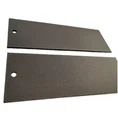
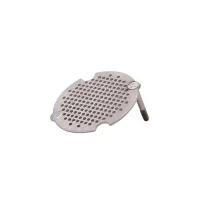


Hey there! I'm a supplier of Copper Electrowinning Titanium Anodes, and today I want to chat about whether titanium anodes can be used in copper electrowinning from recycled copper scrap. It's a topic that's been getting a lot of buzz lately, especially with the growing focus on recycling and sustainable practices in the metal industry.
First off, let's quickly go over what copper electrowinning is. In simple terms, it's a process where copper ions in a solution are reduced to metallic copper at the cathode. This is done by passing an electric current through the solution. The anode plays a crucial role in this process as it provides the path for the electrical current and also participates in the electrochemical reactions.
Now, recycled copper scrap is a valuable resource. It contains a significant amount of copper, and extracting it through electrowinning can be a cost - effective and environmentally friendly way to get high - quality copper. But the question is, can titanium anodes do the job?
The answer is a resounding yes! Titanium anodes have several properties that make them well - suited for copper electrowinning from recycled copper scrap.
One of the key advantages of titanium anodes is their excellent corrosion resistance. When you're dealing with the harsh chemical environments in an electrowinning cell, corrosion can be a major problem. Titanium forms a passive oxide layer on its surface, which protects it from the corrosive effects of the electrolyte. This means that the anode can last a long time, reducing the need for frequent replacements and saving you money in the long run.
Another great thing about titanium anodes is their high electrical conductivity. Good electrical conductivity is essential for an efficient electrowinning process. With titanium anodes, the electrical current can flow smoothly through the anode and into the electrolyte, ensuring that the copper ions are effectively reduced at the cathode.
Titanium anodes can also be coated with different materials to enhance their performance. For example, High - Purity Iridium - Tantalum Coated Titanium Anode Plate offers even better corrosion resistance and electrocatalytic activity. The iridium - tantalum coating helps to lower the overpotential, which means less energy is required to drive the electrowinning reaction. This can lead to significant energy savings, which is a big deal in an industrial process like copper electrowinning.
Similarly, MMO Coated Titanium Disc Anode is another option. Mixed Metal Oxide (MMO) coatings are designed to improve the anode's performance in terms of stability and catalytic activity. They can withstand the high current densities often used in electrowinning processes, allowing for faster and more efficient copper extraction.
Ruthenium - Iridium Coated Titanium Anode Plate is also a popular choice. The ruthenium - iridium coating provides a good balance between cost and performance. It has high electrocatalytic activity, which means it can speed up the reaction at the anode, leading to increased copper production rates.
When it comes to using titanium anodes in copper electrowinning from recycled copper scrap, there are a few things to keep in mind. The composition of the recycled copper scrap can vary, and this can affect the performance of the anode. For example, if the scrap contains a lot of impurities, it might require a more robust anode coating to handle the additional chemical reactions.
The operating conditions of the electrowinning cell also matter. Factors like temperature, pH, and current density can all impact how well the titanium anode works. It's important to optimize these conditions to get the best results.
In addition, proper maintenance of the titanium anodes is crucial. Regular cleaning and inspection can help to ensure that the anode is in good condition and performing at its best. If there are any signs of damage or wear on the coating, it's important to address them quickly to avoid any negative impacts on the electrowinning process.
Now, let's talk about the economic and environmental benefits of using titanium anodes in copper electrowinning from recycled copper scrap.
From an economic perspective, as I mentioned earlier, the long lifespan of titanium anodes means lower replacement costs. Also, the energy savings from using coated titanium anodes can add up over time. And since recycled copper scrap is often cheaper than virgin copper ore, the overall cost of producing copper through this method can be significantly reduced.
On the environmental front, using recycled copper scrap reduces the need for mining new copper ore. Mining can have a huge impact on the environment, including deforestation, soil erosion, and water pollution. By recycling copper scrap and using titanium anodes in the electrowinning process, we can help to conserve natural resources and reduce the environmental footprint of the copper industry.
So, if you're in the business of copper electrowinning from recycled copper scrap, titanium anodes are definitely worth considering. They offer a reliable, cost - effective, and environmentally friendly solution.
If you're interested in learning more about our Copper Electrowinning Titanium Anodes or want to discuss your specific requirements, don't hesitate to reach out. We're here to help you find the best anode solution for your copper electrowinning needs. Whether you need High - Purity Iridium - Tantalum Coated Titanium Anode Plate, MMO Coated Titanium Disc Anode, or Ruthenium - Iridium Coated Titanium Anode Plate, we've got you covered.
Let's work together to make your copper electrowinning process more efficient and sustainable.


References
- Jones, A. (2020). "Advances in Anode Materials for Metal Electrowinning". Journal of Electrochemical Engineering.
- Smith, B. (2019). "Recycling of Copper Scrap: A Review of Processes and Technologies". Recycling Magazine.
- Brown, C. (2021). "Titanium Anodes in Electrochemical Processes". Electrochemistry Today.